Architectural Intelligence: Expert Tips, Design, Trends, and Projects for All Spaces
Architecture Insights explores the developing landscape of functionality and design in contemporary spaces. It explores present trends, innovative projects, and practical advice from specialists. The focus remains on sustainability, technology, and community engagement. How architects address these elements can transform environments and improve occupant well-being. As the conversation unfolds, it becomes apparent that the future of architecture holds fascinating possibilities ready to be discovered.
Today's Latest Architecture Directions to Watch
As the architectural landscape evolves, professionals in the field must stay attuned to the latest design trends that shape the built environment. Presently, sustainability drives innovation, with attention to eco-friendly materials and energy-efficient designs. Biophilic design, which integrates natural elements into urban spaces, is rising in prominence, creating a connection between occupants and nature. Minimalism remains a driving force in aesthetics, showcasing clean lines and functional spaces that champion simplicity.
Another emerging trend is the integration of smart technology into architectural designs, improving convenience and efficiency. Mixed-use developments are also on the rise, encouraging vibrant communities by blending residential, commercial, and recreational spaces. In addition, adaptive repurposing of historic buildings shows a growing appreciation for heritage while addressing modern needs. These trends collectively indicate a shift towards a more holistic, community-focused approach in architecture, guaranteeing that design not only meets functional requirements but also improves the human experience.
Applying Architectural Trends: Tips for Functional Interiors
Integrating the latest architectural trends into interior spaces can substantially enhance functionality and aesthetics. Adopting open floor plans promotes fluid movement and fosters social interaction, making spaces feel increasingly cohesive. Incorporating multifunctional furniture, such as modular sofas or extendable dining tables, provides versatility, accommodating various needs and activities.
Another essential trend is natural light; big windows and skylights don't just light up areas but also produce an impression of roominess. Biophilic design, which emphasizes the connection to nature, can be accomplished with indoor plants, natural materials, and organic forms, supporting overall wellness.
The demand for sustainable materials is on the rise, offering both eco-friendliness and durability. Moreover, implementing smart home technology enhances convenience while maximizing energy efficiency. Thoughtful color palettes and textures aid in creating welcoming environments. By utilizing these architectural trends, designers can create functional interiors that are not only practical but also visually appealing, enhancing the overall quality of life for occupants.
Groundbreaking Design Projects Reshaping Urban Spaces
How can innovative architectural projects reshape urban environments? These projects often merge cutting-edge design with functionality, addressing the unique challenges of urban living. By focusing on mixed-use developments, architects create spaces that foster community engagement and improve accessibility. For example, the use of vertical gardens not only improves cityscapes but also improves air quality, encouraging wellness among residents.
Moreover, creative transformation of heritage buildings illustrates how innovation can maintain cultural heritage while meeting contemporary needs. These projects foster sustainable practices, revitalizing neglected areas and providing new life to urban centers.
Additionally, the introduction of smart technologies in urban architecture improves efficiency and connectivity, making cities better places to live. In general, these transformative projects highlight the potential of architecture to not only shape physical spaces but also enhance the social fabric of urban life, ultimately resulting in more thriving, sustainable communities.
Choosing Eco-Friendly Materials for Architecture
What elements must architects evaluate when choosing eco-friendly materials for their developments? First, they must evaluate the environmental impact of materials throughout their lifecycle, from extraction to disposal. This includes analyzing the carbon footprint and resource depletion associated with material production. Next, architects should focus on renewable or recycled materials, as these assist in reducing waste and conserving natural resources.
Durability stands as another key consideration; long-lasting materials reduce the requirement for replacements and diminish prolonged environmental impact. Moreover, local sourcing can greatly decrease transportation emissions and bolster regional economies. Architects should also consider the health effects of materials, ensuring they are non-toxic and promote indoor air quality.
Ultimately, aesthetics and practicality should correspond to sustainability goals, ensuring that the picked materials not only fulfill environmental standards but also fulfill the design vision of the project. Thoughtful evaluation of these factors contributes to more sustainable architectural practices.
The Impact of Technology on Contemporary Architecture
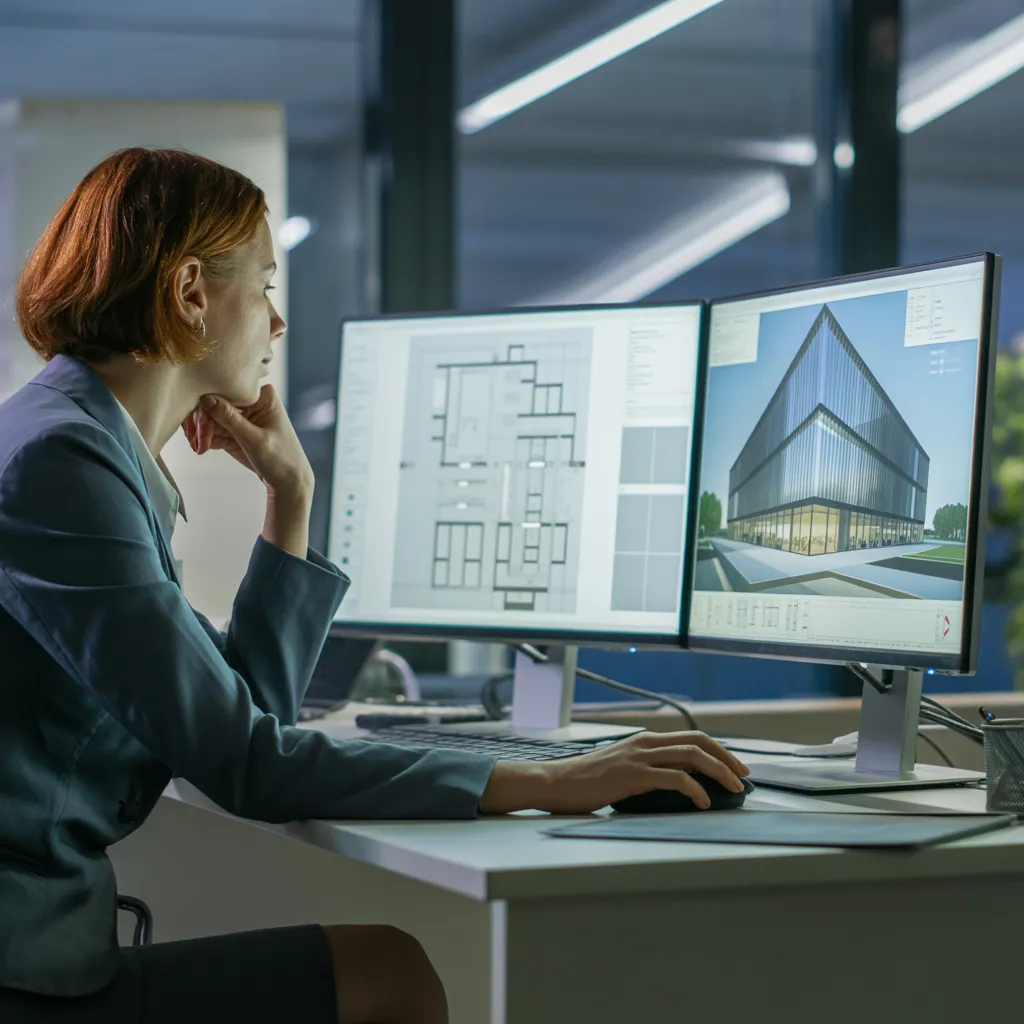
Where can one discover the intersection of creativity and technology in contemporary architecture? Currently, technology plays a pivotal role in shaping architectural designs and augmenting functionality. State-of-the-art software allows architects to conceptualize complex structures through three-dimensional modeling and virtual reality, enabling precise adjustments before construction starts. Additionally, building information modeling (BIM) streamlines collaboration among various stakeholders, enhancing efficiency and minimizing errors.
Advanced technology has transformed the way buildings engage with their environment. Integrated systems for lighting, heating, and security enhance energy efficiency and user comfort. Furthermore, the use of sustainable technologies such as solar panels and green roofs showcases how innovation combines with ecological responsibility.
Eventually, the effect of technology in present-day architecture cultivates not only aesthetic appeal but also functional durability, pushing the boundaries of what is possible in design while confronting current challenges in urban living.
Examining Legendary Architecture Styles Throughout History
Throughout centuries, architectural styles have experienced significant evolution, mirroring the cultural, technological, and social frameworks of their periods. Beginning with the magnificence of Ancient Greek and Roman architecture, distinguished by columns and symmetry, to the intricate features of Gothic cathedrals, these styles illustrate humanity's quest for beauty and functionality. The Renaissance signified a resurgence of classical ideals, highlighting proportion and perspective, while the Baroque period brought dramatic expressions through ornate ornamentation.
Throughout the 1800s, the Industrial Revolution spurred innovations, giving rise to the emergence of styles like Victorian and Beaux-Arts, which blended craftsmanship with novel materials. The 1900s brought Modernism, focusing on simplicity and minimalism, followed by Postmodernism's dynamic eclecticism. In modern times, contemporary architecture embraces sustainability and technology, consistently reshaping urban landscapes. Each era's architectural style serves not only as artistic expression but also as a reflection of cultural values and advancements, creating a rich tapestry of human creativity.
How to Work Effectively With Architects and Designers?
Productive collaboration with architects and designers relies on establishing clear communication channels. By setting project goals together, all parties can align their visions and expectations. Moreover, adopting flexibility and adaptability fosters an environment favorable for creative problem-solving and innovation.
Create Effective Communication Lines
Working with architects and designers is built upon the establishment of clear communication channels, as misunderstandings can compromise even the best-laid plans. Successful communication begins with defining preferred methods, whether through regular meetings, emails, or project management tools. It is essential for all parties to share their availability and preferred communication styles to foster a effective dialogue. In addition, employing visual aids like sketches or digital models can enhance understanding and clarify concepts. Establishing a centralized platform for documentation confirms that everyone has access to the latest information, minimizing the risk of miscommunication. By focusing on transparent and consistent communication, stakeholders can create a collaborative environment that supports creativity and innovation while minimizing conflicts and setbacks throughout the project.
Establish Project Objectives Collaboratively
Setting project goals together is a critical step in guaranteeing a successful partnership between architects and designers. This collaborative process permits both parties to align their visions, ensuring that creative ideas meet practical requirements. Commencing discussions about project scope, budget, and timelines encourages a clear understanding of expectations. It also helps pinpoint potential challenges early on, enabling for proactive solutions. Regular feedback sessions can further refine these goals, guaranteeing they remain relevant throughout the project lifecycle. By actively involving both architects and designers in this phase, clients can develop a sense of ownership and investment in the project, resulting to enhanced satisfaction with the final outcome. Finally, clear and shared objectives lay the groundwork for a harmonious and productive collaboration.
Embrace Adaptability And Flexibility
Successful project goals establish the foundation for a collaborative environment where flexibility and adaptability prove essential. Architects and designers frequently face evolving circumstances that demand adjustments to initial plans. Effective collaboration relies on open communication, allowing stakeholders to voice concerns and suggestions freely. By fostering a culture of trust, team members are more inclined to explore innovative solutions together. Utilizing digital tools can further enhance coordination, allowing for real-time updates and feedback. Regular check-ins and workshops provide opportunities to reassess goals and align visions. Ultimately, embracing flexibility allows for the integration of new ideas and changes, ensuring the project evolves to meet both functional and aesthetic needs. This adaptability leads to a successful outcome that reflects the collective vision of all parties involved.
Popular Questions
What Are the Most Common Mistakes to Avoid in Architectural Design?
Common errors in architectural design include failing to prioritize functionality, disregarding site context, failing to contemplate sustainability, inaccurately determining scale and proportion, and failing to recognize the importance of user experience, which can result in dysfunctional and lackluster spaces.
How Do Architectural Styles Vary Across Different Cultures?
Architectural approaches differ substantially across various cultures, showcasing local materials, climate, traditions, and societal values. As an illustration, Japanese architecture stresses harmony with nature, while Mediterranean designs showcase vivid colors and airy environments ideal for warmer climates.
What Role Does Color Play in Architectural Design?
Color fulfills an essential purpose in architectural design review now by influencing mood, elevating aesthetics, and reflecting cultural identity. It can harmonize spaces, create visual interest, and influence perception, ultimately shaping the experience of both users and viewers.
What's the Process for Finding the Right Architect for My Project?
To discover the right architect for a project, you should research qualifications, review prior work, obtain recommendations, and conduct interviews to guarantee compatibility in objectives, style, and communication for successful collaboration throughout the design process.
What Expenses Come With Architectural Services?
Costs associated with architectural services typically include design charges, consulting fees, project oversight costs, and potentially additional costs for permitting and materials. Such costs can differ substantially based on project scope, sophistication, and geographic location.